


Top 10 Items to Take on a Hike

This list is the top 10 highlights experienced hikers such as myself bring with me on hikes whether familiar or foreign. While this list is inspired by many components of the National Park Service "Ten Essentials" list, I encourage you to visit their website to see additional recommendations for alternative suggestions.
#10 Map

I'm willing to bet you already have your cell phone on you. Good job for downloading your hike and having a digital map on your device, BUT what happens when your phone dies or you loose signal? Keep a paper map with you, and use it as your primary navigation tool. Why? Avoiding use of your cellular device on the trail will eliminate distractions and limit accidental injuries. Using the paper map also allows your device to maintain a longer battery life should you need it in an emergency.
Added bonus of paper map - you can scrap book it later and keep this as a reminder of your accomplishment. Using the paper map is also a great way to
#9. Brimmed Hat
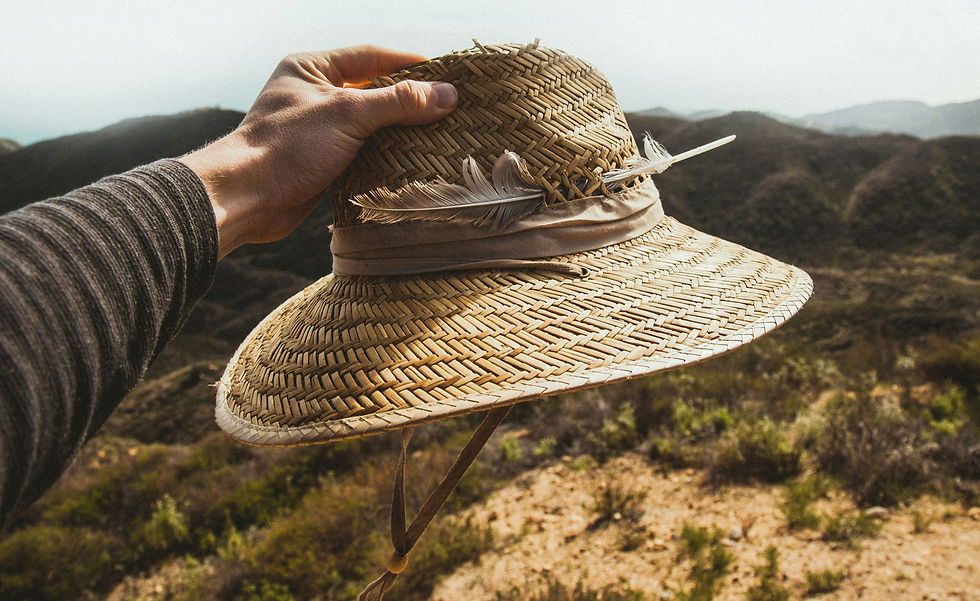
While spending prolonged time outdoors, your eyes and skin may become irritated or even burn. To limit damage to our bodies, having a hat that covers or protects our scalp, eyes, faces, and shoulders will allow longer activity time and help protect your body.
#8. Long sleeve shirt (even if it's hot!)

Similarly to a hat, a long sleeve is vital to carry as it also protects your skin from harmful UV damage. This shirt can also help keep you warm if the weather has changed or if your body temperature drops from heightened activity. In the case that a bad injury occurs, the shirt may also be used for fluid absorption, tunicate, or other temporary first-aid measures.
#7. First Aid Kit (with lighter!)

Accidents happen to everyone. Having basic first aid items on you during a hike can be life saving and benefit any further medical attention should it be necessary. Items to stock in your Hiking Basics First Aid Kit include bandages, antibiotic ointment and antiseptic wipes, tweezers, hand sanitizer, etc. Please see the First Aid list from the American Red Cross for additional recommendations.
#6. Headlamp

Whether planning to hike in the dark or not, anything can happen. Headlamps and flashlights will not only help you navigate out of a dark area on your own, but should extraction be required, having a light attached to your body can be extremely helpful for rescue support.
#5. Multi-Tool

When you're out in the wilderness, you do not want something to break and not have a way to fix it. If a screw comes loose, a thread starts pulling, or you need to carve a new took all together, having a multi-tool will give you a modern advantage with many options compactly designed into 1 item. Multi-tools do not take up much space and can clip to most packs or pockets. Bonus points if it has a built in Ferro rod for emergency fire needs.
#4. Space Blanket (Metallic/mylar/foil blanket)

As mentioned before, anything can happen when out in the wilderness. Even if you are only a few hundred feet from the trailhead, you can get lost or you may get stuck in a situation leaving you unable to retreat. This space blanket will not only provide warmth, but also high visibility and versatility. If needed for a short term shelter, the space blanket would allow for many styles of shelters.
#3. Snacks

While exploring the trail and enjoying your hike, your body experiences rushes of hormones, varying oxygen levels, changes in blood circulation, and insulin sensitivity. You are putting your body to work, and it is important to replenish it's fuel just as you would a car (or recharge the battery). Again, you never know how your hike might end up being, even if you did not intend to stay long. That said, always pack replenishing snacks, more than you think you would need! Easy snack include apples, oranges, granola (bars), fruit, berries, nuts, meat-sticks, cured meat or peanut butter and jelly sandwich -- avoid refrigerated items (yogurt, hard boiled egg, lunch meat, etc).
#2. Full Water Bottle+

Similarly to the importance of bringing food, your body is being drained of it's hydration through perspiration, metabolizing, and urination. Keep yourself hydrated and make sure to stop for breaks. See REI's suggestions on how much water to bring on your hike and other hydration considerations.
#1. Bear Spray

And finally - bear spray. "For big bad bears, and big bad boys"
So this is my own personal addition as again, you never know what could happen on a hike. As conversations began in 2024 about whether women felt more comfortable encountering a man or a bear in the woods, it got me thinking more about my personal safety. I pack bear spray for the use of protecting myself against aggressive wildlife - whatever shape or form that may come in. This spray is intended to distract and discourage large predators from pursuing an attack on the bear spray operator.
Additional Tips from Copilots Explore for Light Hikes -



Comments